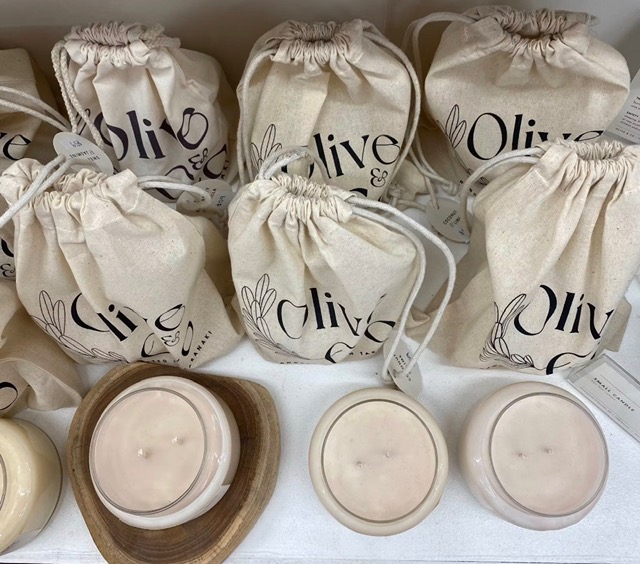
Handmade or mass made?
You can usually tell.
Handmade does not mean perfect, and that is often the point. The little differences, the better materials and the care behind the work are what make these pieces worth keeping.
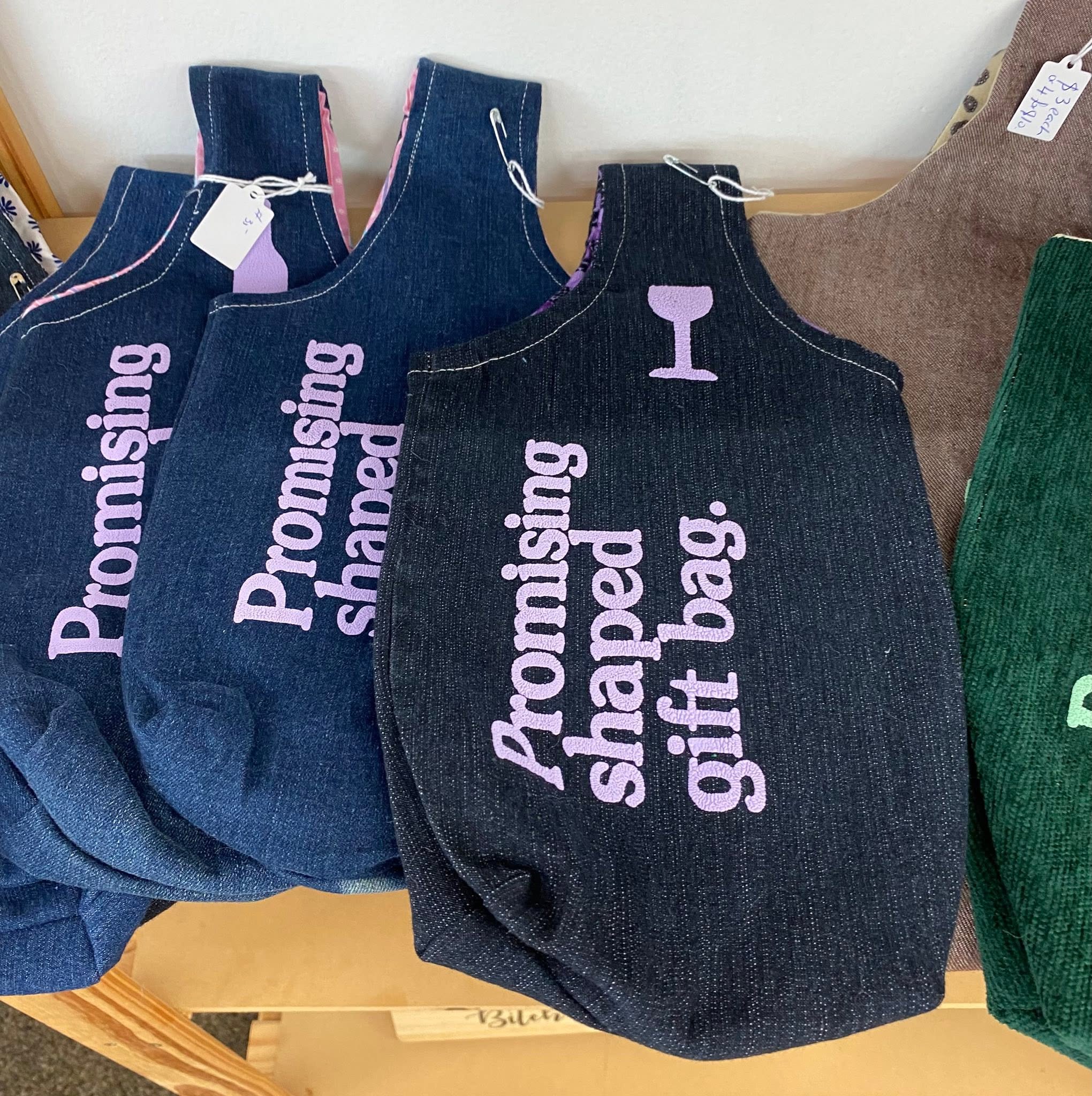
There is nothing wrong with something mass produced. We all own plenty of it. It is useful, available and often cheaper. But there is a reason handmade pieces tend to catch your eye when you see them sitting beside the factory-made version.
They feel different. Sometimes that is because of the material, sometimes it is the finish, and sometimes it is simply because the person who made it cared about how it turned out. You can often see that before you even know the story behind it.
Handmade is not the same as homemade.
The word handmade can make people picture something a little rough around the edges. In reality, many independent makers spend years getting very good at what they do. They refine patterns, test materials, improve finishes and learn what lasts.
A handmade product can be beautifully finished and highly practical while still showing signs that a person made it. Two pieces might not be absolutely identical. A grain, stitch, glaze, colour or shape might shift slightly from one to the next. Those small variations are not necessarily flaws. Often they are exactly what gives the piece its character.
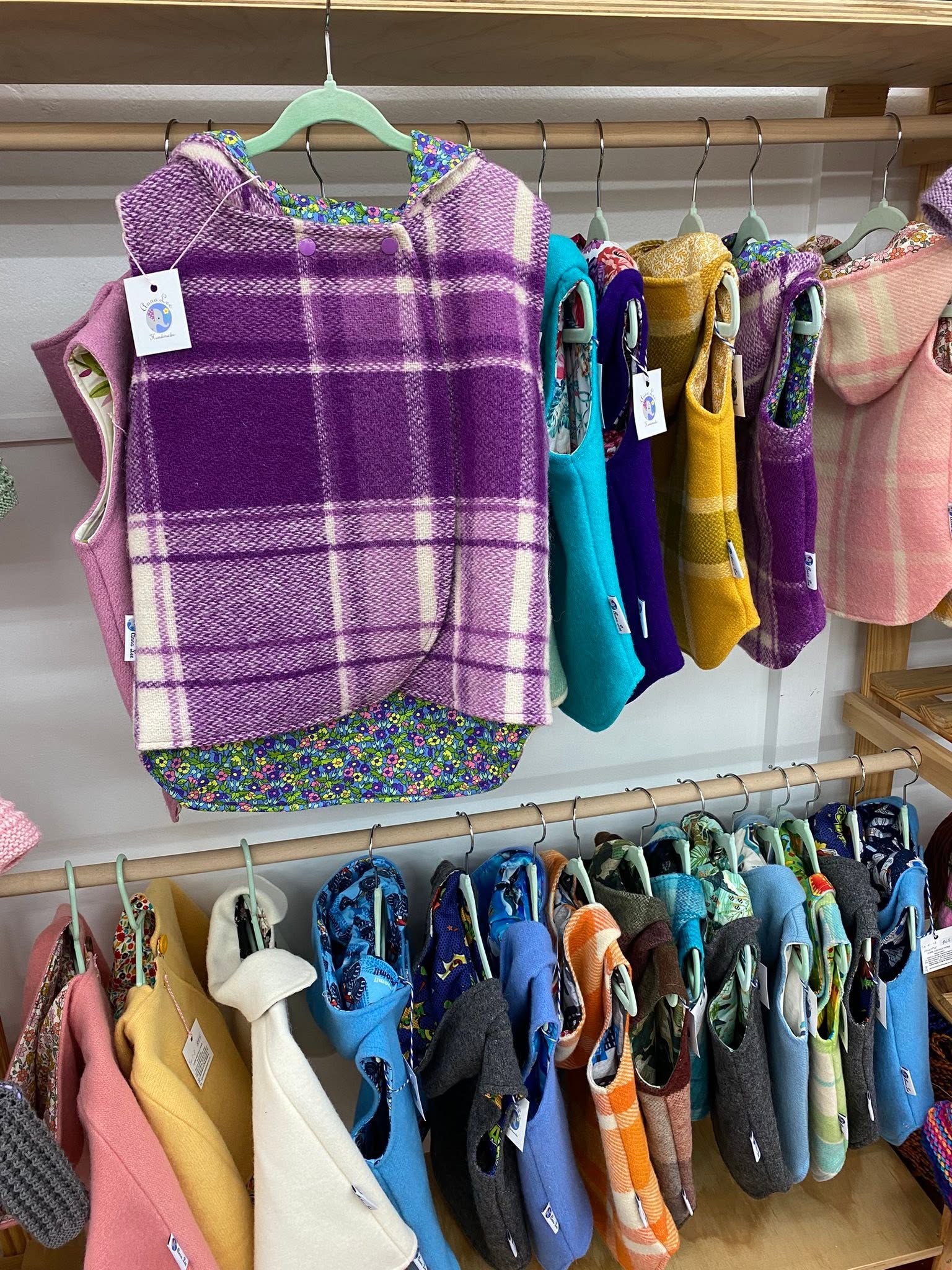
Quality starts with what goes into it.
Independent makers are often much closer to the materials they use. They know how a fabric behaves, which timber works for a particular job, how a product feels in the hand or which finish gives the result they want.
That does not mean every handmade item will last forever. Nothing does. But when something has been designed and made in smaller numbers, there is usually more opportunity to pay attention to the details that are easy to lose on a production line.
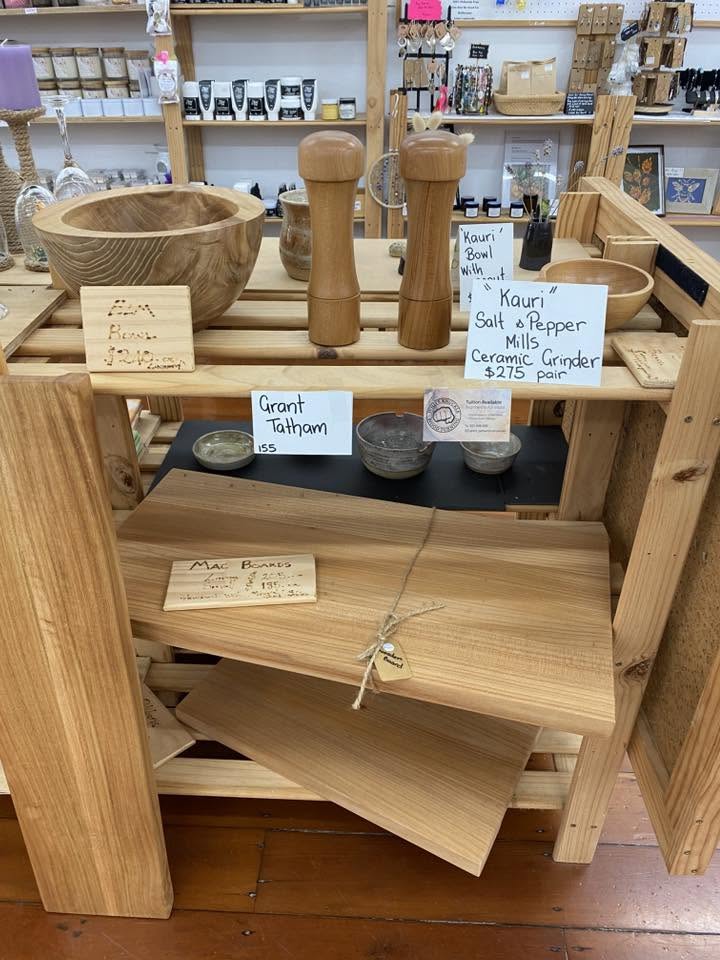
That difference becomes obvious with things you use often. A well-made bag sits better. A mug feels good in your hand. A piece of clothing has thought behind the cut. A wooden item has been sanded properly rather than simply made fast enough to get into a box.
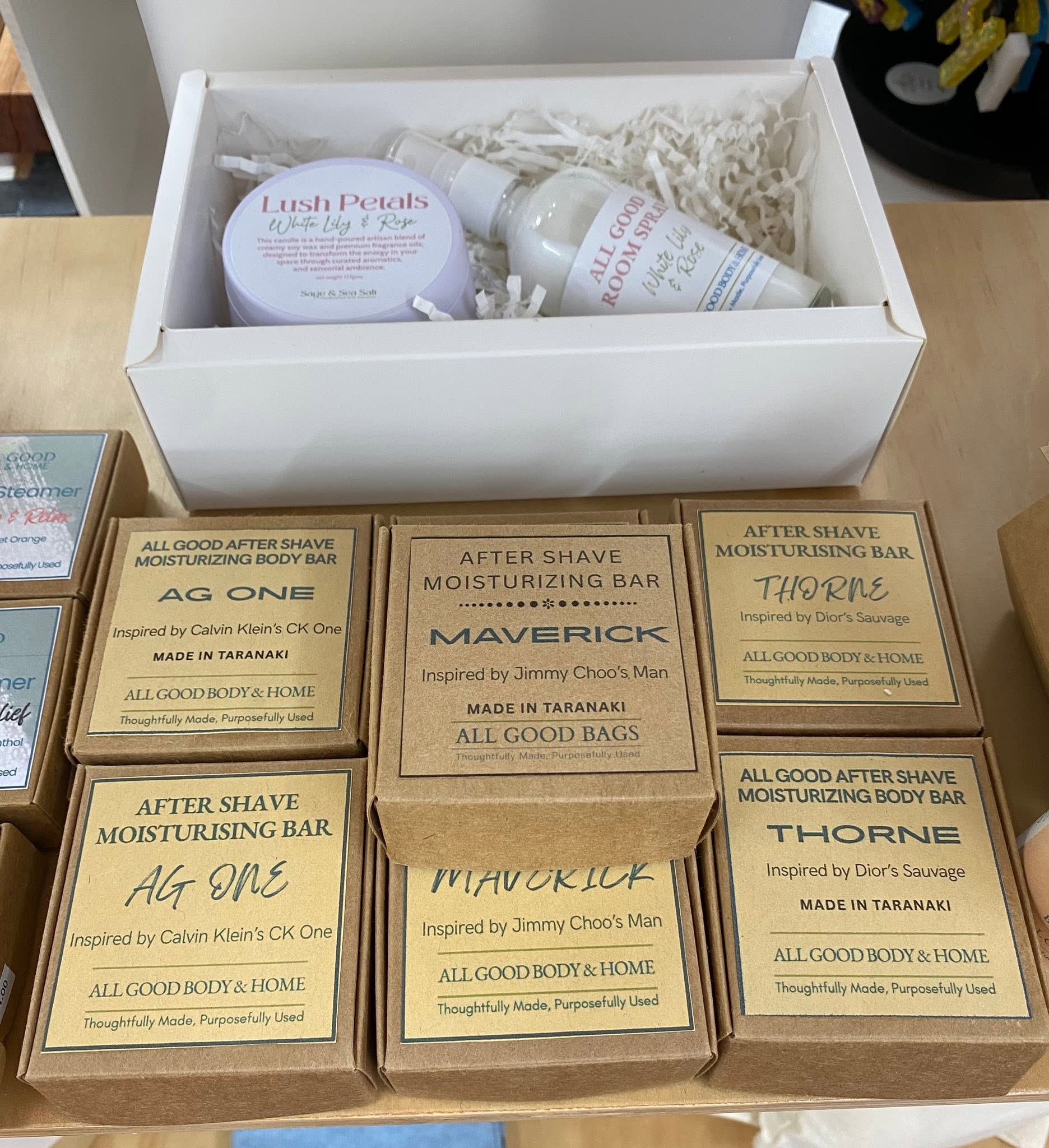
Cheap is not always inexpensive.
Price is usually the biggest difference people notice first. Handmade work can cost more because there are real hours in it. Materials are often bought in smaller quantities, the maker does not have a giant factory spreading costs across thousands of units, and the work itself takes time.
The better question is whether you are buying something you actually like and will keep using. A cheaper item that gets replaced three times is not always the bargain it looked like at the start. A well-made piece that becomes part of everyday life can earn its place very quickly.
- Look at the materials and how the item has been finished.
- Think about how often you will use it, not just the price today.
- Ask who made it and whether the design has a story behind it.
- Choose things you genuinely like rather than buying more for the sake of it.
Handmade does not have to mean expensive.
There is handmade work at all sorts of price points. A small print, soap, decoration, pair of earrings or useful everyday item can be an easy way to choose something made with care without turning it into a major purchase.
Buy fewer things you actually like.
That is probably the simplest argument for handmade. You do not need a house full of artisan everything. But when you are buying something you want to enjoy, give as a gift or keep for a while, it can be worth slowing down long enough to choose the version with a bit more thought behind it.
It is nicer to live with things that feel like yours. And if that purchase also supports the person who designed and made it, that is a pretty good extra reason to choose it.
Things worth picking up for a closer look.
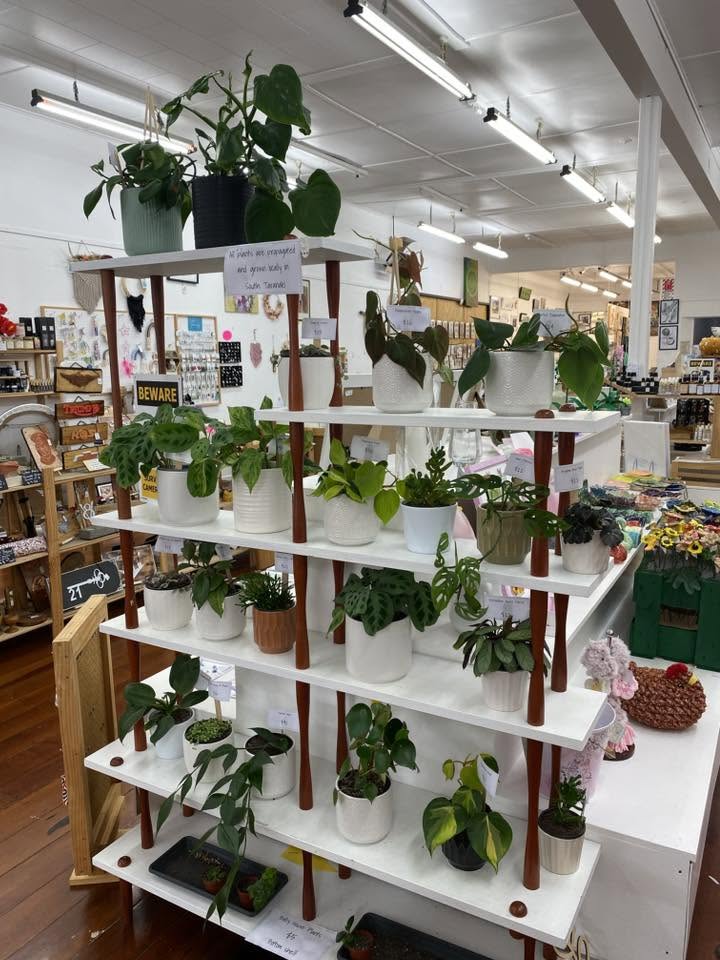
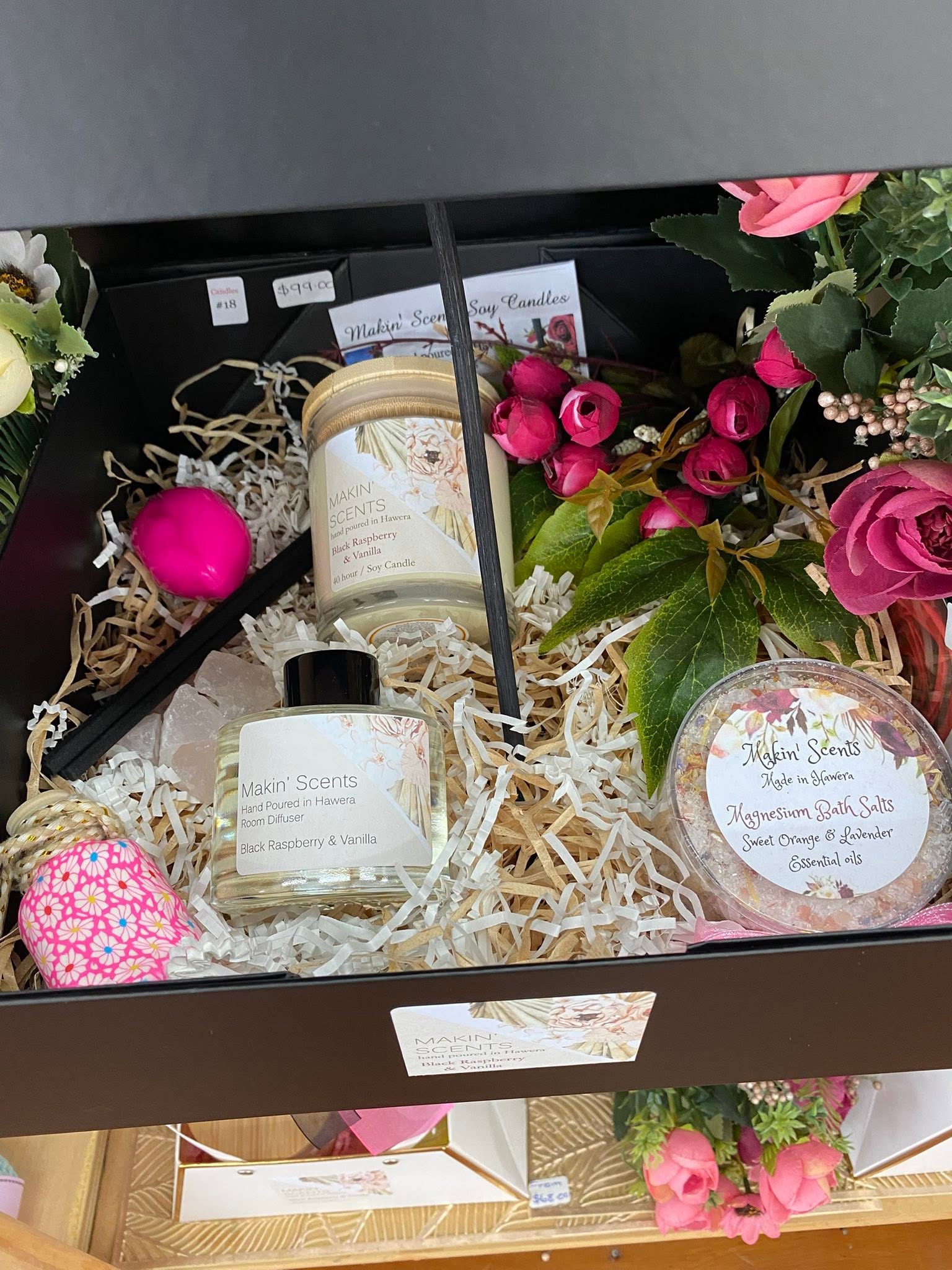
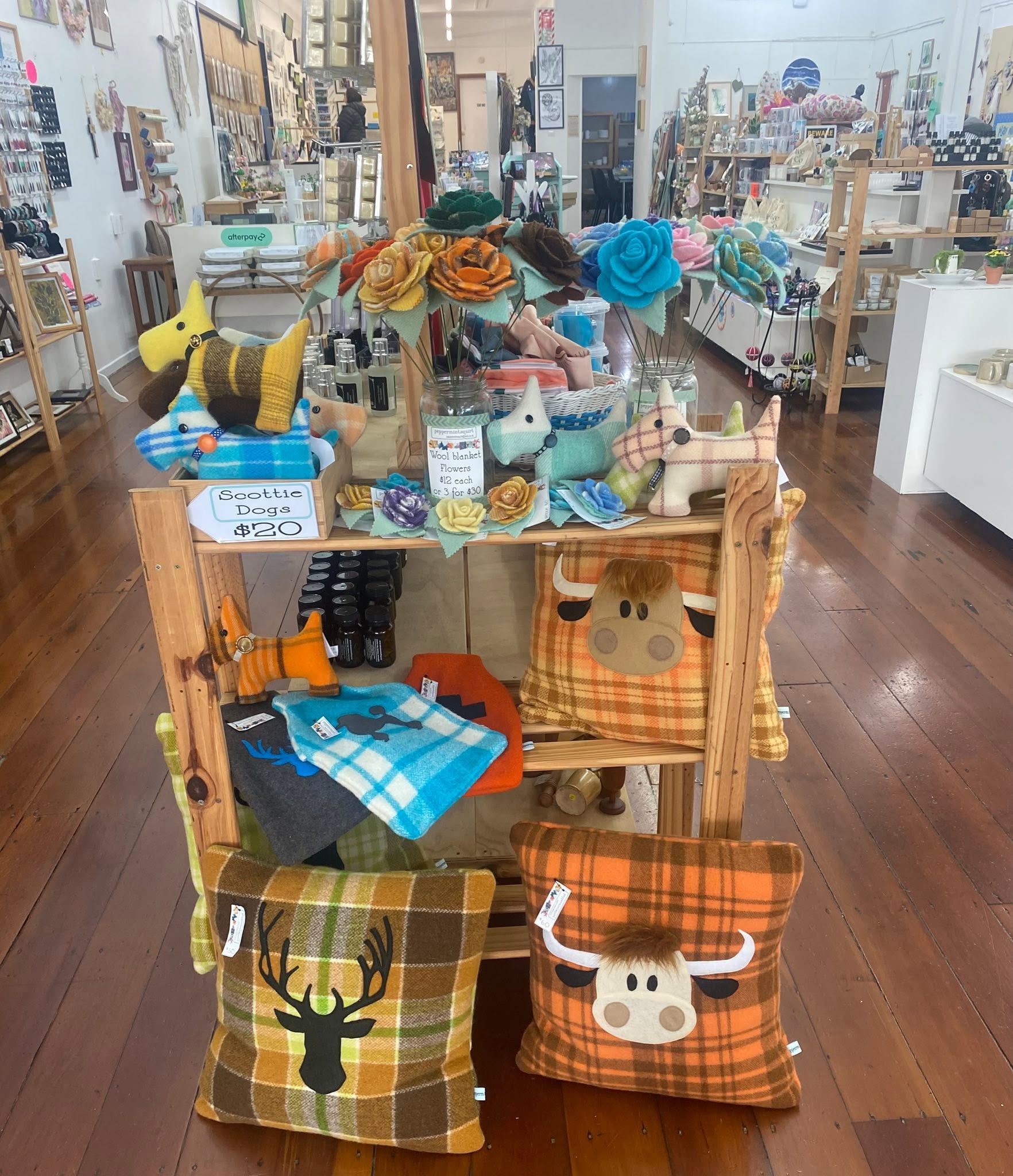
Our shelves bring together handmade and independently created work from New Zealand makers, with new pieces arriving regularly and selected products also available online.
100 High Street, Hawera.
The best way to judge handmade quality is often to pick it up, turn it over and see it properly for yourself.